Essential Tools and Techniques for Successful Gearbox Rebuilding
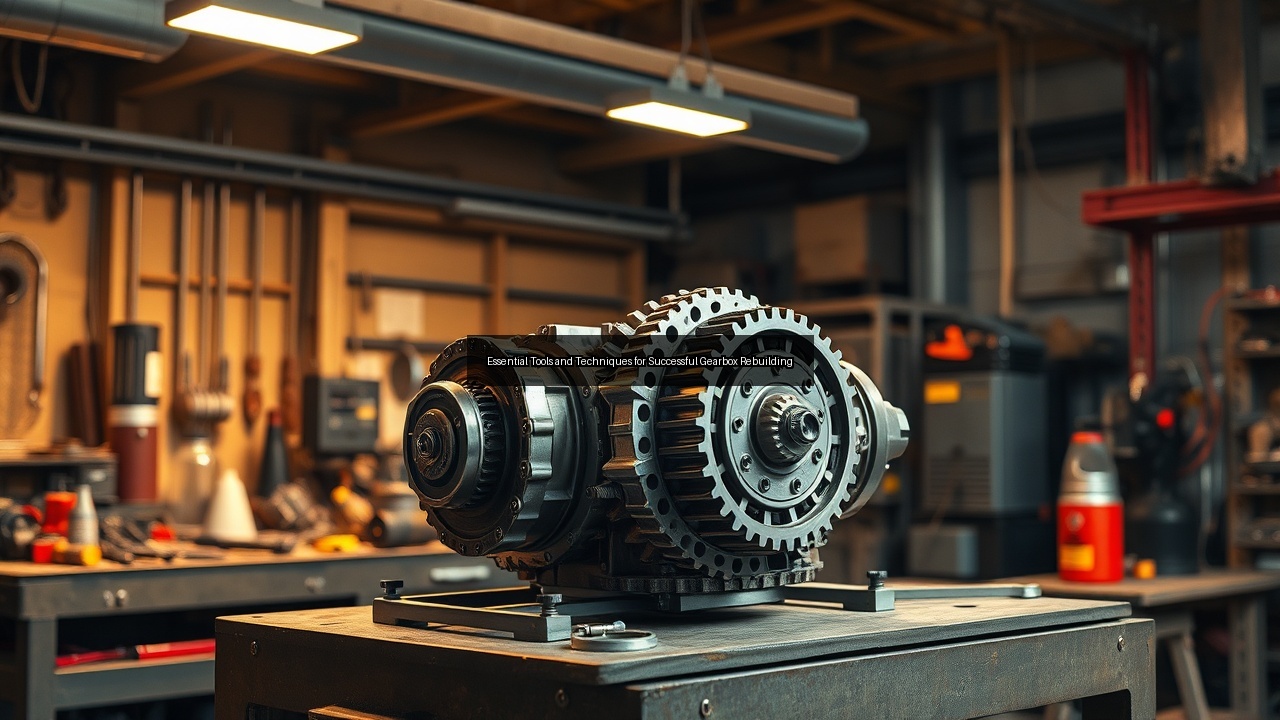
Understanding Gearbox Functionality and Importance
The Role of Gearboxes in Transmission Systems
Gearboxes play a crucial role in transmission systems across various machinery and vehicles. They convert the engine’s output into usable power, manipulating torque and speed to meet the operational demands of the system. This transformation is vital for efficient vehicle movement, machine operation, and overall functionality. Without a properly functioning gearbox, systems may experience significant performance issues, leading to inefficiencies, increased fuel consumption, and even complete operational failure. Understanding the intricacies of gearbox functionality is essential for anyone involved in gearbox rebuild, repair, or maintenance. Recognizing how gears interact within the gearbox enables technicians to troubleshoot effectively and implement successful repair strategies.
Common Types of Gearboxes and Their Applications
Various types of gearboxes serve specific applications in different industries. Common types include manual gearboxes, automatic transmission gearboxes, and reduction gearboxes. Manual gearboxes offer drivers control over gear selection, making them popular in performance vehicles. Automatic transmission gearboxes simplify operation by automatically selecting the appropriate gear ratio based on speed and load conditions. Reduction gearboxes, on the other hand, are essential in applications requiring high torque at low speeds, such as in heavy machinery and industrial equipment. Each type of gearbox fulfills unique operational needs, emphasizing the importance of understanding their specific characteristics during a gearbox rebuild.
Key Components of Gearboxes: Gears, Shafts, and Bearings
A gearbox consists of several key components that work together to fulfill its purpose. Gears are the heart of the gearbox, facilitating the transfer of power from the engine to the wheels or other machinery. Shafts support the gears, allowing them to rotate smoothly and transmit forces effectively. Bearings reduce friction between moving parts, enhancing efficiency and lifespan. During a gearbox rebuild, technicians must inspect these components meticulously for wear and damage. Understanding the relationship between these components is vital; even minor wear can lead to significant failures. Therefore, a thorough analysis during the rebuilding process ensures optimal performance and longevity of the gearbox.
Essential Tools for Gearbox Rebuilding
Machining Tools for Precision Repairs
Machining tools are indispensable for precision repairs during a gearbox rebuild. These tools allow technicians to create, modify, and repair components to exact specifications. Lathe machines, milling machines, and CNC machines enable the production of high-quality parts like gears and shafts. A lathe can shape components with incredible accuracy, while milling machines can handle complex shapes and features essential for gearbox functionality. These tools not only enhance the precision of repairs but also ensure that rebuilt gearboxes meet or exceed original manufacturer specifications. Investing in high-quality machining tools ultimately results in improved performance and reliability for the gearbox.
Inspection Tools: Ensuring Quality and Accuracy
Inspection tools play a critical role in ensuring quality and accuracy during the gearbox rebuilding process. Tools such as dial indicators, micrometers, and bore gauges help technicians evaluate the condition of components, measuring tolerances and identifying any deviations from specifications. These inspections are crucial in detecting wear, misalignment, and other issues that could lead to gearbox failures. Thermal cameras can also be employed to identify hotspots, indicating potential issues in functioning components. Employing thorough inspection techniques not only aids in the immediate rebuild but also provides insights for future preventative maintenance, ensuring the longevity and efficiency of the gearbox.
Lubrication Equipment for Optimal Performance
Proper lubrication is fundamental to the optimal performance of any gearbox. Lubrication equipment, such as oil pumps, grease guns, and automatic lubrication systems, ensures that all moving parts receive adequate lubrication. This reduces friction, minimizes wear, and prevents overheating. During a gearbox rebuild, technicians must ensure that all lubrication channels are clean and functional. Selecting the right lubricant—considering factors such as viscosity and load-bearing capacity—is essential for maintaining efficiency and preventing failures. Regular lubrication checks, facilitated by effective equipment, form a cornerstone of preventative maintenance strategies, prolonging the life of the gearbox and enhancing overall performance.
Techniques for Successful Gearbox Overhaul
Step-by-Step Guide to Gearbox Disassembly
Disassembling a gearbox requires careful planning and execution. Start by documenting the assembly process with photographs or notes, as this will aid in reassembly. Begin by removing the gearbox from its housing, taking care to disconnect all associated components. Secure the gearbox and remove external components such as covers, filters, and sensors. Use appropriate tools to detach gears, shafts, and bearings, ensuring not to damage any parts during the process. Organizing components systematically can significantly ease the reassembly process. Following this structured approach during disassembly minimizes errors and enhances the efficiency of the gearbox rebuild.
Failure Analysis: Identifying Root Causes of Gearbox Issues
Conducting a failure analysis is essential in understanding the root causes of gearbox issues. Technicians must examine components for signs of wear, damage, or misalignment. Common failures may stem from inadequate lubrication, contamination, or improper assembly during previous repairs. By identifying these root causes, technicians can implement effective solutions and prevent future failures. Understanding the forces at play within the gearbox also aids in addressing underlying issues. Documenting findings during failure analysis not only guides the current rebuild but also provides valuable insights for future maintenance strategies, ultimately improving gearbox overhauls operational efficiency.
Preventative Maintenance Strategies for Longevity
Implementing preventative maintenance strategies is critical for extending the life of a gearbox. Regularly scheduled inspections, lubrication checks, and performance evaluations help identify potential issues before they escalate into significant problems. Educating operators on the importance of monitoring gearbox performance can also enhance preventative measures, as they can report any unusual sounds or vibrations early. Moreover, establishing a routine for oil changes and component replacements based on usage and manufacturer guidelines promotes longevity. Investing time and resources into preventative maintenance not only reduces the likelihood of unexpected failures but also optimizes gearbox performance, ensuring efficient operations.
Cost Considerations and Warranty Insights
Analyzing the Costs of Gearbox Repairs and Rebuilds
Understanding the costs associated with gearbox repairs and rebuilds is vital for effective budgeting. Factors influencing costs include the type of gearbox, the extent of damage, and the required parts and labor. A simple repair may involve minimal costs, while a complete overhaul can be significantly more expensive due to extensive parts replacement and labor. It's essential to obtain detailed quotes from gearbox repair services to ensure transparency. Evaluating costs against the potential downtime impacts helps businesses make informed decisions. Prioritizing regular maintenance can also reduce long-term expenses by preventing costly repairs and extending gearbox lifespan.
Understanding Warranty Options for Gearbox Services
Warranties play an essential role in gearbox repair and rebuild services. Many companies offer warranties that cover parts and labor for a specific duration post-repair. Understanding warranty options helps clients make informed decisions when selecting a gearbox repair shop. Warranties can provide peace of mind, knowing that any subsequent issues may be covered at no additional cost. Reading the fine print is crucial, as some warranties may only cover defects in materials or workmanship and may not include damage due to misuse or lack of maintenance. A robust warranty can significantly enhance the value of gearbox rebuild services.
The Impact of Downtime on Operational Efficiency
Downtime during gearbox repair or rebuild can significantly impact operational efficiency. Industries relying on heavy machinery or vehicles face potential loss of productivity, delayed projects, and increased costs during periods of inactivity. Assessing the potential downtime associated with different repair options helps organizations make strategic decisions. Investing in high-quality repairs and thorough preventative maintenance can minimize downtime in the long run. Moreover, implementing a proactive maintenance schedule can help mitigate the risks of unexpected failures, ultimately enhancing operational efficiency and profitability.
See Also
- A Comprehensive Guide to Gearbox Repair and Preventative Maintenance
- Mastering Gearbox Overhauls for Optimal Performance and Longevity
- Unlocking the Secrets of Gearbox Rebuilds for Enhanced Performance
- Navigating the Complex World of Reduction Gearbox Repairs
- Exploring the Financial Implications of Gearbox Rebuild Costs