How to Measure Humidity Levels for Effective Dehumidification
Understanding Humidity and Its Impact on Spaces
What is Humidity and Why It Matters
Humidity refers to the amount of moisture present in the air. It's a critical factor in maintaining a comfortable and healthy indoor environment. In commercial spaces, high humidity levels can lead to significant issues, such as discomfort for employees, damage to equipment, and an increased risk of mold growth. Measuring humidity accurately allows businesses to implement effective humidity control strategies, ensuring the well-being of occupants and the integrity of the dehumidifiers for commercial structure. Understanding humidity levels contributes to energy efficiency, as HVAC systems need to work harder to cool or heat air in high humidity conditions. Striking the right balance is essential for optimal comfort and operational efficiency.
Effects of High Humidity on Commercial Spaces
High humidity poses several challenges for commercial spaces. Excess moisture creates an environment conducive to mold and mildew growth, which can lead to health issues for employees and customers alike. Mold spores can trigger allergies and respiratory problems, prompting a need for improved air quality. Additionally, excess moisture can damage equipment and materials, particularly in construction and warehouse settings where tools, machinery, and raw materials commercial air dehumidifier are sensitive to excessive dampness. High humidity can also affect the structural integrity of buildings by promoting wood rot and corrosion in metal components. These issues underscore the importance of monitoring and managing humidity levels effectively.
Common Sources of Moisture in Construction and Warehouses
Moisture in commercial spaces often originates from various sources. In construction sites, concrete curing, plumbing leaks, and even the use of water for cleaning can introduce excess moisture into the air. Warehouses, which store a range of products, can experience humidity fluctuations due to loading and unloading activities, temperature changes, and inadequate ventilation. Poorly insulated buildings also allow outside moisture to infiltrate, especially during rainy seasons. Identifying these sources is crucial for implementing effective dehumidification strategies. By addressing the root causes of moisture, businesses can create a more controlled environment that minimizes humidity fluctuations.
Measuring Humidity Levels Accurately
Tools for Measuring Humidity: Hygrometers and More
Accurate measurement of humidity levels requires the right tools. Hygrometers are the most common instruments used for this purpose, available in both analog and digital formats. Digital hygrometers often provide more precise readings and can display additional information, such as temperature. Some advanced models even integrate with HVAC systems for real-time monitoring. In commercial settings, utilizing multiple hygrometers can help account for variations in humidity across different areas, ensuring a comprehensive understanding of the space's moisture levels. Regular calibration of these devices ensures their accuracy, which is vital for effective humidity control and dehumidification strategies.
Interpreting Humidity Readings: Ideal Levels for Different Spaces
Understanding humidity readings involves knowing the ideal levels for various commercial spaces. Generally, a relative humidity level between 30% and 50% is ideal for most environments. However, specific industries may require different targets. For instance, warehouses storing electronics may benefit from lower humidity levels to prevent damage, while spas may maintain higher humidity for guest comfort. Recognizing these requirements allows businesses to tailor their humidity management strategies. Regular monitoring of humidity levels enables quick adjustments to the dehumidification process, ensuring that spaces remain within the designated comfort and safety parameters.
The Role of Temperature in Humidity Measurement
Temperature plays a critical role in how humidity is perceived and measured. Warm air holds more moisture than cold air, which means that humidity levels can vary significantly with temperature changes. This relationship highlights the importance of monitoring both temperature and humidity concurrently. For example, a commercial dehumidifier may need to work harder in warmer months to maintain comfortable humidity levels. Businesses can optimize their HVAC systems by ensuring that they account for temperature fluctuations, thereby enhancing overall energy efficiency and comfort. Understanding this dynamic helps in selecting the right dehumidification solutions for commercial environments.
Effective Dehumidification Strategies
Choosing the Right Commercial Dehumidifier
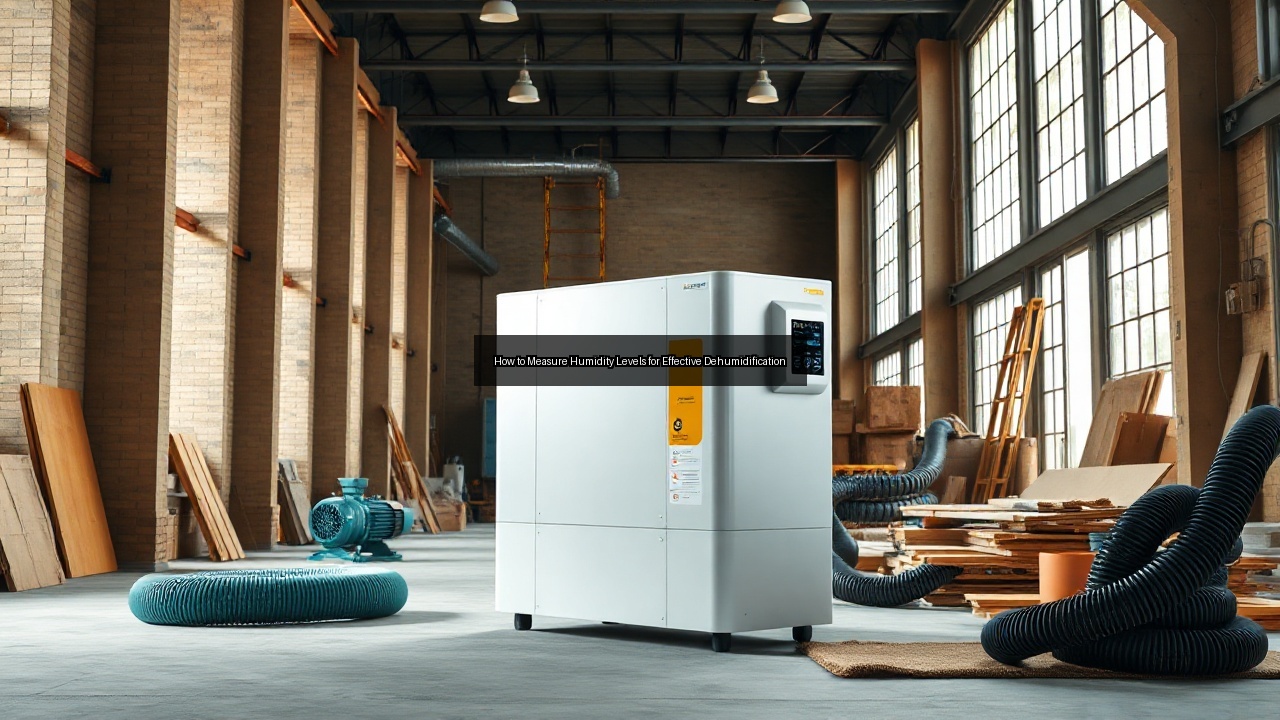
Selecting the appropriate commercial dehumidifier is essential for effective moisture control. Various models cater to different needs, ranging from portable units to larger, more stationary systems designed for extensive warehouse spaces. When choosing a dehumidifier, consider factors such as the size of the space, humidity levels, and the specific tasks the unit will perform. For larger areas, a commercial dehumidifier unit with high CFM (Cubic Feet per Minute) ratings may be necessary to ensure efficient air flow and moisture removal. Additionally, energy efficiency ratings, such as Energy Star, should be evaluated to reduce operational costs while maintaining effective humidity control.
Understanding CFM (Cubic Feet per Minute) and Its Importance
CFM, or Cubic Feet per Minute, indicates how much air a dehumidifier can process in one minute. This measurement is crucial when determining the right unit for your space. A higher CFM rating means the unit can remove more moisture quickly, which is particularly beneficial in large commercial environments where humidity levels can fluctuate rapidly. Understanding the CFM requirements based on room size and humidity levels ensures that businesses select dehumidifiers that can effectively keep spaces dry. Balancing CFM with energy efficiency ensures that dehumidification is both effective and economical.
Utilizing Pumps and Hoses for Efficient Moisture Removal
To enhance the efficiency of a commercial dehumidifier, integrating pumps and hoses for moisture removal is a smart strategy. Many commercial dehumidifiers come equipped with built-in pumps that can automatically expel moisture collected in the unit. This feature eliminates the need for manual emptying, allowing for continuous operation. Hoses can be connected to drain excess water directly into a suitable drainage system, further streamlining the process. Efficient moisture removal not only maintains optimal humidity levels but also prevents potential flooding and water damage, especially in areas prone to high moisture accumulation, like basements and warehouses.
Maintaining Optimal Humidity Control
Energy Efficiency: Using Energy Star Rated Dehumidifiers
Energy efficiency plays a vital role in managing operational costs associated with humidity control. Investing in Energy Star rated dehumidifiers ensures that businesses utilize units designed to minimize energy consumption while maximizing performance. These dehumidifiers not only reduce electricity bills but also contribute to a more sustainable operational model. Many Energy Star models come with advanced features that enhance their efficiency, such as programmable settings and humidity sensors. By prioritizing energy efficiency, businesses can achieve effective humidity control without incurring excessive costs, ultimately supporting both environmental goals and the bottom line.
Sound Pressure Levels and Their Importance in Commercial Environments
Sound pressure levels of dehumidifiers can significantly impact the comfort and productivity of a commercial environment. High noise levels can be distracting and disruptive, especially in workplaces that require focus and concentration. When selecting a commercial dehumidifier, consider models that operate at lower sound pressure levels, particularly for spaces such as offices, libraries, or spas where tranquility is essential. Utilizing quieter dehumidifiers allows for effective moisture control without compromising the work atmosphere, promoting a more pleasant environment for employees and clients alike.
Preventing Mold and Flooding Through Proper Humidity Management
Proper humidity management is a critical factor in preventing mold growth and flooding in commercial spaces. Maintaining humidity levels within the recommended range not only reduces the risk of mold but also protects valuable assets from water damage. Regular monitoring and timely intervention with dehumidifiers can mitigate potential flooding issues, particularly in areas prone to high moisture levels. Implementing routine maintenance and checks on HVAC systems, along with proper insulation and ventilation, further supports effective humidity control. Businesses that prioritize moisture management create safer, healthier environments while safeguarding their investments.
See Also
- The Science of Drying What Commercial Dehumidifiers Can Do for You
- Top Features to Look for in a Commercial Dehumidifier
- Maximizing Warehouse Efficiency with Commercial Dehumidifiers for Optimal Moisture Control
- Key Considerations for Dehumidifier Placement in Your Business
- Preventing Mold Growth in Your Warehouse with Effective Dehumidification