The Science Behind Flange Ball Bearings and Their Applications
Understanding Flange Ball Bearings
What Are Flange Ball Bearings?
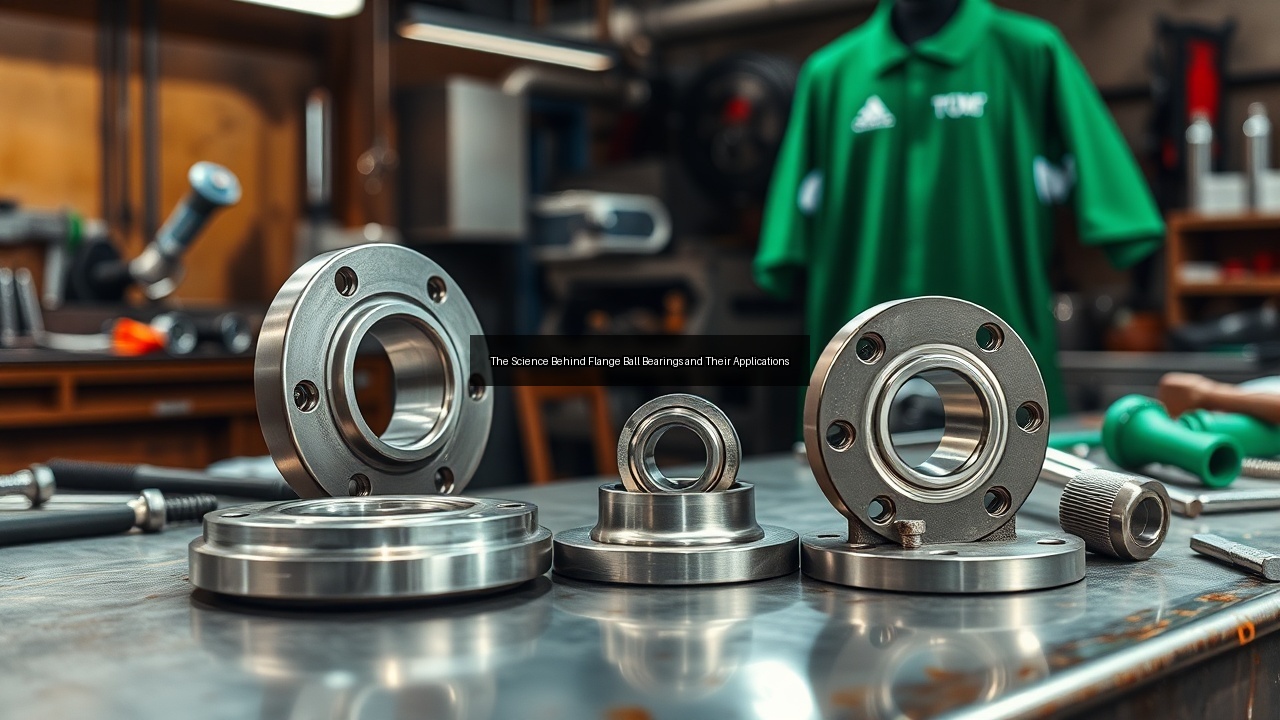
Flange ball bearings represent a specialized type of ball bearing designed to facilitate smooth rotation while providing enhanced stability and support. These bearings feature a flange—a protruding edge or rim—integrated into the design. This flange allows for easier mounting and alignment within various mechanical systems, making flange ball bearings a popular choice in applications requiring precise positioning and reliable performance. Their unique design enhances load distribution and reduces friction, making them ideal for high-speed operations in various environments, from bicycles to industrial machinery.
Components of Flange Ball Bearings
The primary components of flange ball bearings include the inner and outer rings, balls, and the flange itself. The inner ring typically fits onto the shaft, while the outer ring is securely mounted to the housing. The balls, usually made of steel or ceramic, facilitate smooth rotation by reducing friction between the rings. The flange, which extends from the outer ring, offers additional support and stability, allowing for easier installation and alignment. Additional features such as seals and lubricants may also be incorporated to enhance performance and longevity, ensuring that these bearings can withstand various operational demands.
How Flange Ball Bearings Differ from Standard Ball Bearings
Flange ball bearings differ from standard ball bearings primarily due to their added flange, which provides significant advantages in mounting and alignment. While standard ball bearings rely on external housing for support, flange ball bearings eliminate the need for additional mounting hardware, simplifying installation. This feature makes flange ball bearings particularly valuable in applications where space is limited or precise alignment is crucial. Moreover, the flange offers increased stability, allowing these bearings to handle radial and axial loads more effectively than their standard counterparts.
Applications of Flange Ball Bearings
Use in Bicycle Hubs: A Look at Tom Pidcock's Gear
Flange ball bearings play a critical role in bicycle hubs, where they contribute to efficient wheel rotation and overall bike performance. Notably, professional cyclists like Tom Pidcock rely on high-quality flange ball bearings in their gear to maximize speed and handling. The precise alignment provided by flange designs ensures that the wheels rotate smoothly, which is essential during races. In competitive cycling, even a minor advantage can be pivotal, making the choice of bearings a significant factor in performance. Pidcock's use of advanced flange ball bearings showcases the integration of technology and engineering in modern cycling gear, optimizing not just speed but also durability during intense competition.
Flange Ball Bearings in Competitive Cycling: Tour de France Femmes
The importance of flange ball bearings extends to elite events like the Tour de France Femmes, where every component of a cyclist's equipment can influence performance. In this grueling race, cyclists demand reliability and efficiency from their bikes. Flange ball bearings ensure that the wheels respond quickly and effectively, allowing riders to maintain high speeds over varied terrains. The need for lightweight yet robust components drives innovations in bearing technology, with manufacturers continuously refining designs to enhance performance. As teams strategize for competitive advantage, the choice of flange ball bearings becomes a crucial element in achieving victory on the road.
Applications in Industrial Cart Systems
Industrial cart systems frequently utilize flange ball bearings due to their ability to handle heavy loads and provide smooth movement. In warehouses and manufacturing environments, these bearings facilitate the mobility of carts that transport materials, ensuring efficiency in operations. The flange design allows for secure mounting, reducing the risk of misalignment and wear over time. Additionally, the reliability of flange ball bearings minimizes downtime, which is critical in fast-paced industrial settings. As companies seek to optimize logistics and streamline processes, the incorporation of flange ball bearings in cart systems exemplifies the importance of engineering solutions that enhance productivity and operational efficiency.
Design and Manufacturing Considerations
Material Selection for Flanged Bearings
Choosing the right materials for flange ball bearings significantly impacts their performance and longevity. Manufacturers often select high-carbon chromium steel for its excellent hardness and wear resistance, ideal for high-load applications. Alternatively, ceramic materials may be employed for lightweight and corrosion-resistant solutions, especially in environments exposed to moisture or chemicals. The choice of material also influences the bearing's ability to withstand temperature fluctuations and operational stresses. Understanding the specific demands of each application guides engineers in selecting the most appropriate materials to ensure optimal performance and durability of flange ball bearings.
The Role of Set Screws and Bushings
Set screws and bushings play a vital role in the installation and functionality of flange ball bearings. Set screws secure the bearing to the shaft, preventing any unwanted movement that could lead to misalignment and increased wear. Properly installed set screws enhance the overall stability of the bearing system, ensuring reliable performance under load. Bushings, on the other hand, create a smooth interface between the bearing and the housing, reducing friction and wear. Together, these components contribute to the longevity and efficiency of flange ball bearings, making them essential in various mechanical applications, from bicycles to industrial machinery.
Innovations in Hub Flange Design
Innovations in hub flange design continue to drive advancements in flange ball bearing technology. Engineers are exploring new geometries and materials to enhance load distribution and performance. For instance, some designs incorporate asymmetrical flanges that provide better alignment and stability under varying loads. Additionally, the integration of advanced lubrication systems has improved the efficiency and lifespan of flange ball bearings, reducing friction and wear. These innovations not only enhance the performance of individual components but also contribute to the overall efficiency of machines and vehicles, showcasing the ongoing evolution in bearing technology.
Case Studies and Real-World Examples
Flange Ball Bearings in Action: The Bordeaux and Aurillac Routes
Real-world case studies highlight the effectiveness of flange ball bearings in demanding environments, such as the Bordeaux and Aurillac routes in cycling competitions. Cyclists traversing these challenging terrains rely on the precision and reliability of their gear. The performance of their bicycles hinges on high-quality flange ball bearings, which ensure consistent wheel rotation despite the pressures of steep climbs and rapid descents. Data from these routes illustrate how professional flanged teams prioritize equipment choices, including the type of bearings used, to maximize their competitive edge. These case studies underscore the impact of engineering in sports and the critical role of flange ball bearings in achieving excellence.
The Importance of Bearing Quality in Performance Gear
The quality of bearings, particularly flange ball bearings, significantly influences the performance of competitive cycling gear. Riders who invest in high-quality bearings experience smoother rides, improved handling, and reduced maintenance issues. Low-quality bearings can lead to increased friction, resulting in energy loss and decreased speed. Professional cyclists prioritize high-performance components, understanding that the right bearing can mean the difference between winning and losing. This focus on bearing quality drives manufacturers to innovate and improve their products, ensuring that athletes have access to the best technology available.
Understanding the Green Jersey: Gear Choices for Competitive Edge
The Green Jersey in cycling symbolizes speed and efficiency, with competitors making strategic gear choices to gain an advantage. Flange ball bearings serve as a pivotal element in this pursuit, ensuring that bicycles perform at their peak. Riders carefully select components, including high-quality bearings, to enhance their overall performance. The connection between gear choices and competitive success illustrates the broader implications of engineering in sports. Understanding the nuances of flange ball bearings empowers cyclists to optimize their performance, aligning with the ultimate goal of achieving the coveted Green Jersey.