How to Calibrate RTD Probes for Accurate Process Temperature Control
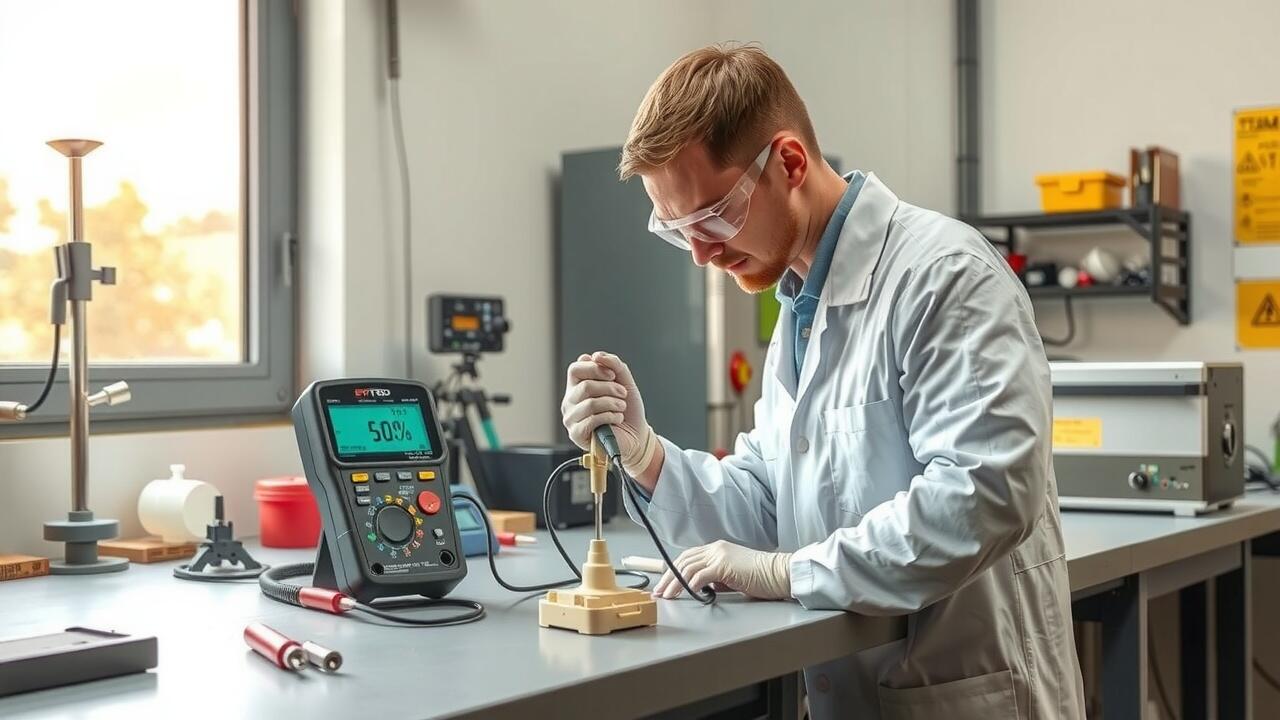
How to Identify Calibration Errors
Calibration errors can significantly affect the performance of RTD probes, leading to inaccurate temperature readings. Regularly checking for discrepancies between the probe readings and a calibrated reference thermometer can quickly pinpoint these errors. For instance, if an RTD probe consistently shows a reading that deviates more than 1% from the reference, it’s a strong indicator that recalibration is necessary. Spotting these kinds of issues early helps maintain precise temperature control, which is crucial in processes like fermentation or chemical reactions where even a small variation can lead to suboptimal results.
Another method for identifying calibration errors involves assessing the response time of your RTD thermocouples. If a probe takes significantly longer to adjust to temperature changes compared to its peers, it may be time to investigate further. Industry best practices suggest testing probes regularly, ideally every three months, to ensure they meet specific accuracy standards such as those established by ASTM or IEC. By implementing these routine checks, you’ll enhance the reliability of temperature measurements and support overall equipment efficiency. Read about rtdthermocouples.
Signs Your RTD Probe Needs Calibration
Calibration errors in RTD probes can manifest in noticeable ways. One common sign is when the temperature readings fluctuate unexpectedly, diverging from the expected values by more than two degrees Celsius. For instance, if an RTD thermocouple is set to monitor a steady temperature of 100°C but frequently displays readings anywhere from 98°C to 102°C, this variance could signal the need for calibration. Additionally, regular checks using reference standards can reveal discrepancies; if the probe consistently reports temperatures outside the specified tolerance, it may be time to recalibrate.
Another indicator to watch for is the probe's response time. An RTD probe should reach a stable reading within a few seconds, depending on its environment. If it takes noticeably longer, there could be an issue with the probe's integrity or accuracy. Moreover, exposure to extreme conditions over time, like high humidity or corrosive environments, can lead to degradation of the sensing element. Regularly evaluating the probe's performance, especially after such exposures, ensures optimal accuracy and reliability in your temperature monitoring system.
Best Practices for Continuous Calibration
Maintaining the accuracy of RTD probes or thermocouples relies on regular calibration practices. A practical approach includes establishing a scheduled calibration routine, ideally every six months, though this can vary based on specific circumstances like usage intensity or environmental factors. For instance, if your facility operates in an extreme temperature range, checking calibrations more frequently will help ensure reliability. Using advanced calibration software paired with a precision reference thermometer can also streamline this process, allowing for real-time data logging to identify trends over time.
Training staff effectively is another key strategy. When operators understand how to recognize signs of drift or instability in RTD probes, they can act swiftly to mitigate issues. Providing hands-on training sessions equips your team with skills to interpret calibration data and address minor problems before they escalate. Regular audits not only enhance adherence to calibration schedules but also reinforce the importance of accuracy in maintaining process efficiency, leading to improved operational outcomes. Emphasizing the significance of accurate measurements can promote a culture of precision within your team, ultimately benefiting your entire operation.
4 Key Strategies for Maintaining Accuracy Over Time
Regular maintenance and prompt calibration checks ensure that RTD probes remain reliable and accurate over time. Establishing a routine schedule for calibration, perhaps every six months, can help catch any drift in measurements before it affects your process. Consider implementing a logging system to track the performance of your sensors throughout their operational life. For instance, keeping records of temperature fluctuations within certain timeframes helps pinpoint when inaccuracies arise, allowing for timely recalibration of RTD thermocouples.
Investing in high-quality reference standards further enhances measurement accuracy. Using calibrators that comply with industry standards like ISO/IEC 17025 guarantees the traceability of your measurements. Additionally, training your team on proper handling and installation techniques reduces the risk of physical damage that might lead to inaccurate readings. For effective long-term performance, consider performing comparative testing against known standards at every calibration point, which will highlight any discrepancies and confirm the integrity of your RTD probes.
Troubleshooting Calibration Issues
Calibration issues can often arise from a variety of factors including electrical interference or physical damage to the probes. For instance, if your RTD probes show inconsistent readings, it might indicate a problem with the sensor connection rather than the calibration itself. This could result from loose wiring or corrosion at the terminals, which can impact the signal being sent to your control system. A quick visual inspection can reveal common culprits like frayed insulation or bent connectors that compromise the integrity of the measurement.
Another common issue involves discrepancies between actual temperature and what’s reported by the RTD thermocouples. If you notice a 2°C difference after calibration, it might signify drift in sensor response due to thermal shock or aging components. Regular recalibration, ideally every six months, can help mitigate this drift. Keeping an eye on the data loggers for spikes or patterns helps identify calibration needs before they affect process efficiency.
How Can You Resolve Common Calibration Problems?
Calibration issues often stem from a variety of sources, including environmental factors and equipment wear. For instance, if you're using RTD probes in fluctuating temperatures or high levels of humidity, the readings may drift over time. Regularly scheduled checks against a certified calibration standard can help identify discrepancies. If your RTD thermocouples display consistent offset errors during these checks, recalibration using multipoint verification can restore accuracy.
Another common problem involves physical damage to the probes. Inspect them for signs of wear, such as corrosion or mechanical stress, as these can significantly impact performance. Consider utilizing a high-resolution reference thermometer during calibration procedures to verify the conditions and temperature ranges. When you encounter unexpected shifts in readings, documenting the process and conditions can facilitate troubleshooting. Adopting a standard operating procedure for calibrating and monitoring RTD probes ensures consistent performance and helps maintain quality control throughout the operation.
- Regularly check calibration against certified standards.
- Recalibrate using multipoint verification if offset errors are detected.
- Inspect probes regularly for wear, corrosion, or mechanical damage.
- Use high-resolution reference thermometers for accurate calibration.
- Document all calibration procedures and conditions for future reference.
- Establish a standard operating procedure for consistent calibration practices.
- Train staff on calibration techniques to ensure quality control.
The Role of Calibration in Process Efficiency
Calibration plays a crucial role in maintaining process efficiency in industries that rely on accurate temperature measurements. When using RTD probes or thermocouples, even the smallest deviation can lead to significant discrepancies in temperature readings. For instance, a shift of just 0.5°C can affect reaction rates in chemical processes, potentially resulting in product quality issues or operational inefficiencies. Regular calibration ensures these instruments provide precise data, allowing operators to make informed decisions and optimizing workflows.
Implementing a structured calibration schedule helps prevent sluggish responses and reduces the likelihood of temperature-related errors. According to ISO 9001 standards, a systematic approach to calibration can boost process performance by as much as 12%. Industries that depend heavily on temperature control, like food processing or pharmaceuticals, often see marked improvements in yield and product consistency when they prioritize the calibration of their RTD probes. Adopting these practices not only enhances operational efficiency but also contributes to compliance with regulatory requirements.
Why Calibration is Critical for Optimal Equipment Performance
Calibration isn't just a nice-to-have; it’s essential for accurate temperature readings. When working with RTD probes and RTD thermocouples, even a tiny error can lead to significant discrepancies in your process control. For instance, in a chemical manufacturing plant, an uncalibrated probe could misread temperatures by just a couple of degrees. This small difference might skew reaction times, costing the company time and materials, and potentially leading to safety issues.
Regular calibration ensures that equipment performs optimally, maintaining the integrity of your operations. Following industry standards, such as those outlined in ISO 9001, can enhance both efficiency and compliance. For example, manufacturers often report up to a 15% increase in process efficiency after implementing a strict calibration schedule. Having a systematic approach not only reduces downtime but also fosters a culture of accountability among staff members, enhancing overall process reliability.
FAQS
What exactly is an RTD probe?
An RTD (Resistance Temperature Detector) probe is a temperature sensor that measures temperature by correlating the resistance of the RTD element with temperature. They're commonly used for their accuracy and stability in various industrial applications.
How can I tell if my RTD probe needs calibration?
Look out for signs like inconsistent temperature readings, unexpected fluctuations, or readings that don’t align with known reference points. If you notice any of these issues, it’s time to consider calibration.
How often should I calibrate my RTD probes?
It really depends on your specific application and how critical temperature accuracy is. However, a good rule of thumb is to calibrate them at least once a year or whenever you notice any discrepancies in readings.
What are some best practices for maintaining RTD probe accuracy?
Regularly check the probes for physical damage, keep them clean, and follow a calibration schedule. Also, implementing proper installation techniques and using high-quality equipment can make a big difference.
What should I do if I encounter calibration issues with my RTD probes?
First, identify the problem by checking for common issues like broken connections or environmental interference. Then, adjust the calibration settings as needed. If problems persist, consulting an expert or technician might be the best way forward.