ow to Select the Right Thermocouple Type for Harsh Industrial Environments
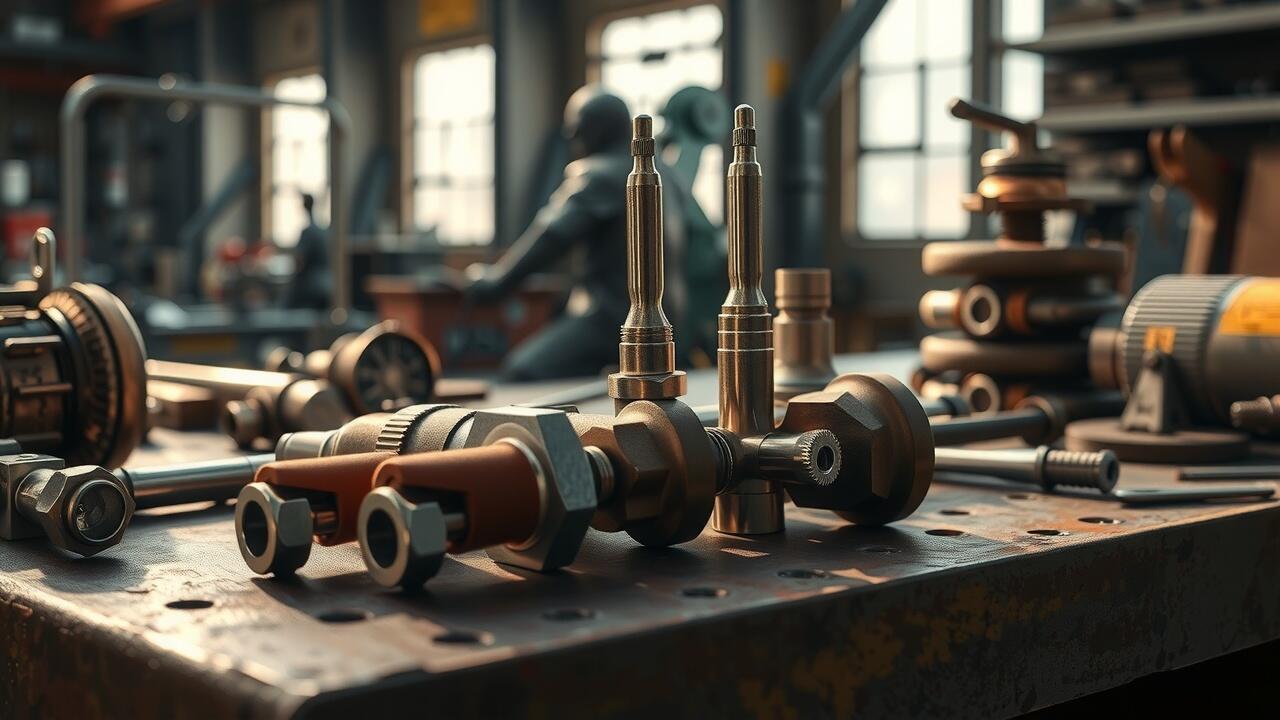
5 Key Strategies for Choosing the Right Thermocouple
Selecting the ideal thermocouple for harsh environments hinges on understanding the specific temperature range and application requirements. For instance, Type K thermocouples excel in extreme conditions, allowing for readings between -328°F to 2,372°F. Their durability makes them a popular choice in aerospace or metallurgical industries. Consider using a thermocouple assembly that safeguards against moisture and contaminants, ensuring long-term reliability and accuracy. The environmental factors such as vibration, oxidation, and chemical exposure should guide your material choices—think stainless steel or Inconel for resilience.
Another strategy involves evaluating response times and installation orientations. Fast response thermocouples can enhance process efficiency by minimizing delays in temperature measurement, crucial in industries like food processing or oil refining. An rtd thermocouple can provide precision where necessary, achieving better thermal stability. Always remember that proper sizing and fitting further influence performance. Always refer to industry standards, such as ASTM E2877, which offers guidelines for temperature sensor installation to achieve optimal results. Balancing these factors will significantly impact accuracy and lifespan.
What Criteria Should You Use for Selection?
Selecting the appropriate thermocouple type for harsh industrial environments requires careful consideration of several critical factors. Temperature range is paramount; for example, Type K thermocouples can withstand extreme temperatures up to 1260°C, making them a fantastic choice for high-heat applications. On the other hand, if the environment includes corrosive elements or mechanical stress, a Type J or a specialized thermocouple assembly may offer better durability and reliability. Additionally, understanding the specifics of each thermocouple's response time can greatly influence measurement accuracy, particularly in fast-paced operations where every second counts.
Another essential criterion involves the thermoelectric properties of the materials used. Different thermocouple types have unique characteristics: for instance, a Type T is highly resistant to oxidation, making it ideal for low-temperature applications in moist environments. Consideration should also be given to the overall installation methodology; proper mounting can significantly enhance sensor accuracy and lifespan. Utilizing an rtd assembly in tandem with a thermocouple can provide complementary data, ensuring that the temperature measurements remain as accurate as possible across various conditions. By leveraging these criteria and integrating appropriate technologies, industries can optimize their thermal measurement systems for peak performance.
Installation Best Practices
Proper installation techniques are crucial for maximizing the performance of thermocouples in demanding environments. Selecting a robust thermocouple assembly suited for the specific conditions can prevent premature failure. For instance, using high-quality materials, such as Inconel for the sheath, contributes to longevity and enhances resistance to corrosion when exposed to harsh chemicals. Additionally, ensuring correct orientation and depth of insertion allows for accurate temperature readings, thus aligning with industry standards like ASTM E2877-13.
Implementing best practices during installation significantly reduces potential issues down the line. For instance, a well-placed RTD thermocouple can ensure consistent temperature monitoring, which is often required for critical operations in manufacturing. Installing a vibration-damping mount can also prevent mechanical wear, extending the life of the device. Adhering to specifications regarding wire gauge and insulation type further supports effective performance in extreme conditions. Regular training sessions for installation teams on these practices can lead to a decrease in thermocouple failures, ultimately saving time and costs associated with replacements.
How Can Proper Installation Enhance Longevity?
Proper installation techniques can significantly extend the lifespan of thermocouple assemblies in demanding industrial settings. For instance, ensuring that the thermocouple tip is adequately immersed in the measuring medium can lead to faster response times while minimizing wear and damage from thermal shock. Moreover, using heat-resistant insulating materials can protect the thermocouple during thermal cycling, which is particularly crucial in processes where extreme temperature fluctuations are commonplace.
Attention to the specifics of the mounting process can prevent premature failures. Implementing best practices, such as alignments that minimize mechanical stress and vibration, bolsters the durability of the RTD thermocouple setup. Additionally, regularly checking for corrosion and maintaining proper sealing can further enhance performance longevity, particularly in harsh environments where exposure to contaminants is high. Industry guidelines recommend inspecting installations at specified intervals to maintain optimal functionality and reliability in temperature measurements.
Calibration and Maintenance Requirements
Maintaining precision in harsh industrial environments hinges on consistent calibration of thermocouple assemblies. Let’s consider a facility that experienced a 10% drop in production efficiency due to inaccurate temperature readings from its thermocouple. Implementing a monthly calibration routine in accordance with ANSI/ISA standards allowed them to regain control and enhance operational reliability. Calibration not only helps in verifying the sensor's accuracy but also plays a pivotal role in extending the lifespan of the device. Regular checks ensure that deviations are identified and corrected before they escalate into larger issues.
Routine maintenance is equally vital for optimizing the performance of temperature sensors. For instance, keeping the thermocouple assembly free of contaminants can prevent erroneous readings. Facilities utilizing an RTD assembly in tandem with thermocouples have reported a 25% increase in overall accuracy through structured maintenance protocols. Data logs can track performance over time, showcasing the positive impact of scheduled calibration and maintenance processes. Adopting an organized approach towards these practices can lead to significant cost savings and heightened process efficiency in industrial settings.
Why Is Regular Calibration Essential for Accuracy?
Regular calibration of thermocouples is crucial for maintaining accuracy, especially in rigorous industrial settings. When operating at high temperatures, even minor deviations can significantly impact process control. For instance, a thermocouple used in a chemical processing plant might drift over time due to exposure to corrosive environments, leading to potential safety risks and production inefficiencies. By implementing routine calibration, facilities ensure that their thermocouple assembly provides precise temperature readings, thereby optimizing equipment performance.
Additionally, adhering to a defined calibration schedule aligns with industry standards, enhancing reliability and consistency. For example, ISO 9001 emphasizes the importance of calibrating temperature-sensing devices to safeguard product quality. An effective maintenance program should also include monitoring reference points on an RTD thermocouple, which can provide clearer insights into drift over time. By identifying deviations early, operators reduce downtime and improve overall safety standards in their operations.
- Regular calibration helps prevent costly equipment failures and downtime.
- Consistent accuracy in temperature readings supports better quality control in products.
- Improved safety measures can be achieved through precise temperature monitoring.
- Calibration schedules foster compliance with regulatory standards and industry practices.
- Increased efficiency in operations contributes to higher productivity and profitability.
- Early detection of drift mitigates risks associated with temperature fluctuations.
- Routine checks can enhance the lifespan of thermocouple devices, reducing replacement costs.
Troubleshooting Common Thermocouple Issues
Thermocouple malfunctions can significantly affect temperature readings and cause inefficiencies in industrial operations. One common issue is excessive noise, which may indicate poor connections in the thermocouple assembly. For example, if the thermocouple does not have a stable wiring setup, signals can fluctuate, leading to inaccurate temperature measurements. This situation demands immediate attention, especially in processes where precision is crucial. Testing for signal integrity using specialized diagnostic equipment can help pinpoint the root cause and allow for timely remediation.
Another prevalent problem is drift in temperature readings. Drift can develop due to environmental factors or wear over time. For instance, if an RTD assembly experiences contamination or corrosion, its accuracy could deteriorate. Regular calibration in accordance with industry standards ensures consistent performance. If calibrations show that readings are consistently off, it may be effective to compare the performance of the RTD thermocouple against a certified reference. This approach not only identifies the problem but also facilitates opportunities for improved accuracy by replacing or adjusting components as necessary.
FAQS
What are the main factors to consider when selecting a thermocouple for harsh environments?
When selecting a thermocouple for harsh environments, consider factors such as temperature range, material compatibility, environmental conditions (like moisture and corrosive elements), required response time, and the specific application needs.
How can I ensure the thermocouple is installed correctly for optimal performance?
To ensure optimal performance, follow best installation practices such as selecting the right mounting location, using appropriate insulation, securing connections properly, and avoiding excessive bending or strain on the thermocouple leads.
Why is regular calibration necessary for thermocouples?
Regular calibration is essential for ensuring accuracy because thermocouples can drift over time due to factors like thermal fatigue, corrosion, or mechanical stress. Calibration guarantees your readings remain reliable for your processes.
What are some common issues I might face with thermocouples, and how can I troubleshoot them?
Common issues include inaccurate readings, erratic signals, or complete failure. Troubleshooting may involve checking for loose connections, inspecting for physical damage, ensuring proper grounding, and verifying calibration.
How do I choose the right thermocouple type for my specific industrial application?
To choose the right thermocouple type, evaluate the temperature range, response time, and environmental factors you’re working with. Types like K, J, T, and E thermocouples have different characteristics that make them suitable for various applications, so align these with your specific needs!