Temperature Profiling in Food Processing: A Thermocouple Monitoring Case Study
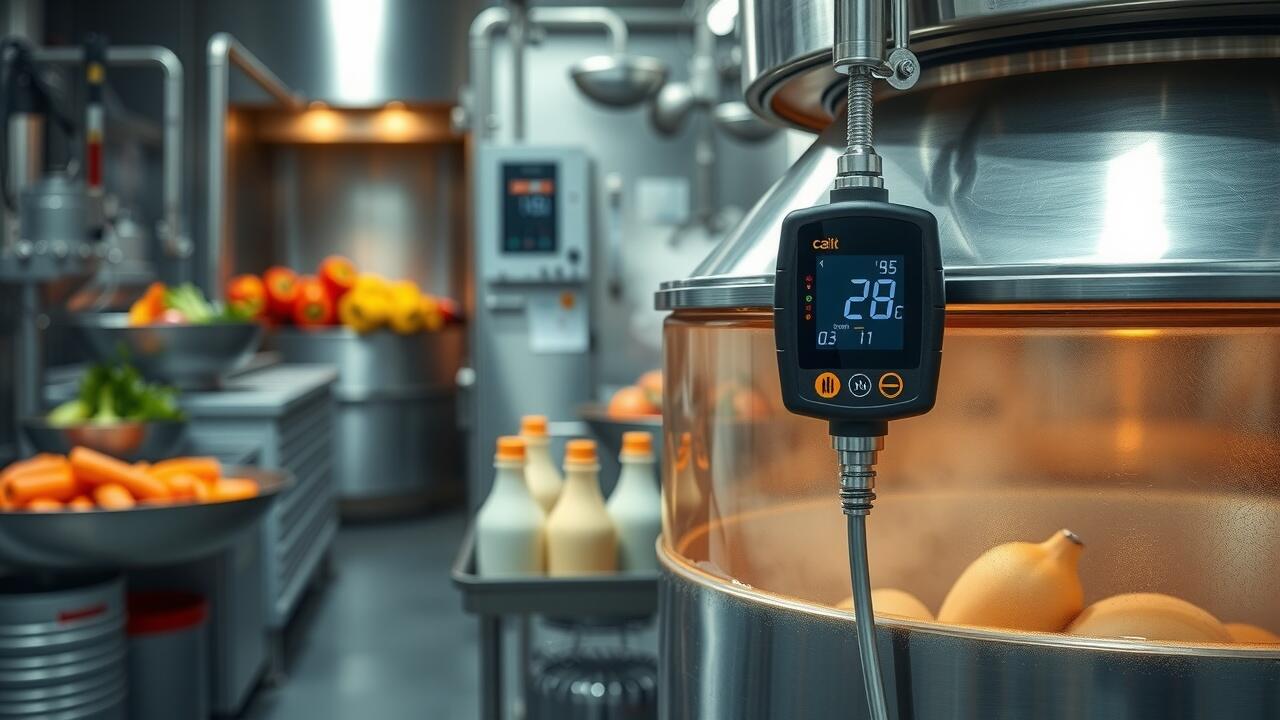
Analyzing Temperature Data
Temperature data analysis plays a crucial role in food processing, especially when it comes to ensuring that products meet safety and quality standards. Utilizing rtd thermocouples allows for precise temperature readings, which helps in identifying any deviations from established protocols. For example, the HACCP guidelines recommend monitoring product temperatures continuously during processes like pasteurization. By deploying monitoring systems with these thermocouples, a facility can guarantee compliance and reduce the risk of foodborne illnesses, ultimately reinforcing consumer trust.
A practical approach involves logging data from these thermocouples and analyzing trends over time. For instance, if a company notices a consistent spike in temperature during a specific production run, this might indicate equipment malfunction or inadequate cooling procedures. Tools like statistical process control charts can visualize temperature fluctuations, highlighting patterns that require attention. When anomalies are detected, immediate action can be taken. By integrating these findings with quality assessments, food processors can enhance their operations, guiding decisions that directly impact both safety and product shelf life.
Interpreting Results for Better Decision-Making in Food Production
Data from temperature profiling can serve as a powerful tool for enhancing food production decisions. For instance, when using RTD thermocouples to monitor the temperature during cooking processes, operators can determine the precise moments when food reaches critical internal temperatures. This leads to reduced instances of undercooked products and ensures adherence to food safety regulations. A case study involving a large-scale poultry processor showed that temperature mapping resulted in a 15% decrease in recalls, proving just how impactful accurate data interpretation can be on the overall safety of food products.
Additionally, understanding these temperature variations helps in optimizing processes. By comparing temperature profiles gathered from different batches, production managers can identify inefficiencies and adjust cooking times or methods accordingly. Analytics tools that integrate with temperature data can provide visualizations, making it easier to spot trends or anomalies. Over time, consistent monitoring using rtd probes can lead to a more streamlined production process, cutting costs and boosting overall product quality. Implementing these practices not only promotes better decision-making but also aligns operations with industry best practices and food safety standards.
Common Challenges in Temperature Profiling
Temperature profiling often comes with its share of challenges, especially when setting up an effective monitoring system. One of the primary issues involves selecting the right sensor. While thermocouples are widely used due to their durability and cost-effectiveness, they may not always provide the necessary precision for critical applications. In contrast, RTD probes offer superior accuracy and stability, making them a better choice for highly regulated environments such as dairy or meat processing. Ensuring you’re using the appropriate thermocouple type or RTD thermocouple can significantly affect the accuracy of temperature readings.
Data handling also proves to be a consistent hurdle. Many facilities may struggle with the volume of data generated, leading to difficulties in real-time analysis. Implementing an effective data management system ensures that temperature fluctuations can be monitored, recorded, and addressed promptly. According to a 2022 industry report, about 40% of food processors cited inadequate data analysis tools as their primary challenge. Investing in software that integrates directly with thermocouple readings can aid in making informed decisions and enhance overall food safety measures while maintaining compliance with health regulations.
Troubleshooting Issues with Thermocouple Measurements
When troubleshooting issues with thermocouple measurements, start by checking the connections. Loose or corroded terminals can cause inaccurate readings or erratic temperature data. For example, in a recent case study involving a food processing plant, a simple tightening of connectors reduced measurement discrepancies by over 10%. This highlights how essential it is to ensure solid electrical connections. Additionally, keep an eye on the calibration of your thermocouples. Regular calibration helps maintain accuracy, especially when monitoring critical processes like cooking or cooling.
Another common challenge arises from interference caused by electromagnetic fields. Common in busy processing environments, these fields can disrupt signals. Employing RTD probes can mitigate this issue; they generally offer better resistance to electrical interference compared to standard thermocouples. If measurement consistency remains a challenge, consider systematically replacing older thermocouples with high-quality RTD thermocouples. This proactive approach ensures your temperature monitoring maintains compliance with industry regulations and contributes positively to your overall food safety system.
Integrating Temperature Monitoring with Other Food Safety Practices
Effective temperature monitoring isn't just about measuring heat; it's about integrating those measurements into a comprehensive food safety system. For instance, when combining rtd probes with good manufacturing practices (GMP), facilities can detect fluctuations that may indicate potential risks. This real-time data allows food producers to maintain temperature controls required by health regulations and ensures product quality consistency. Implementing a layered approach, where temperature data is shared across departments—from production to logistics—can further enhance food safety protocols.
Additionally, pairing temperature monitoring with hazard analysis and critical control points (HACCP) strategies solidifies the overall quality assurance framework. By continuously evaluating readings from rtd thermocouples during processing and storage, facilities can identify critical points where intervention is necessary. For example, if a cooling unit malfunctions, instant alerts can trigger swift corrective actions. Leveraging advanced monitoring systems alongside regulatory guidelines fosters a culture of transparency and accountability within the production process, ultimately safeguarding consumer health.
Creating a Comprehensive Food Safety Management System
Building a thorough food safety management system requires a multi-faceted approach. Incorporating real-time data from rtd probes facilitates immediate adjustments during production. For instance, an Ontario-based processor faced spoilage issues due to inconsistent temperatures. By utilizing rtd thermocouples to monitor their cooling processes, they achieved a 25% reduction in food waste. This highlighted the importance of both technology and diligence in maintaining food integrity.
Training staff on the technology used in temperature monitoring is equally crucial. Regular workshops help employees interpret data correctly and respond swiftly to abnormalities, minimising risk. Case studies from various food processing facilities show that consistent training improves compliance with industry standards; a notable example revealed a 30% decrease in non-compliance incidents after implementing an ongoing education program. Thorough documentation and creating standard operating procedures (SOPs) can further support a strong safety framework, providing essential guidelines for every step of the food handling process.
How Does Temperature Profiling Influence Shelf Life?
Temperature profiling plays a vital role in determining the shelf life of food products. By using accurate monitoring devices like rtd thermocouples, manufacturers can make crucial decisions that impact product quality. For instance, a study showed that maintaining a consistent temperature during the cooling phase of pasteurized products can extend their shelf life by up to 30%. This is especially critical for products that are sensitive to temperature fluctuations, such as dairy and meat items, where even slight deviations can accelerate spoilage.
Understanding the optimal storage conditions isn't just about extending freshness; it's also about safety. When food is stored at inappropriate temperatures, harmful bacteria can proliferate, potentially leading to serious health risks. The Canadian Food Inspection Agency emphasizes the importance of precise temperature tracking to meet food safety standards. To mitigate these risks, food producers should integrate rtd probes into their quality assurance processes, ensuring they gather real-time data throughout the production cycle. This proactive approach not only preserves product integrity but also reduces waste and enhances consumer trust.
The Relationship Between Temperature and Product Longevity
Maintaining optimal temperature during food processing can significantly influence product longevity. For example, a study showed that storing frozen foods at a consistent -18°C can preserve their quality for up to 12 months, while fluctuating temperatures could reduce that shelf life by nearly half. When using rtd thermocouples, precision monitoring ensures products remain within safe temperature ranges, ultimately preventing spoilage and enhancing freshness. These thermocouples not only provide accurate readings but also help detect slight variations that could lead to critical quality changes.
Product longevity isn’t just about keeping things cold; the entire temperature management process matters. By integrating temperature monitoring systems with predictive analytics, companies can forecast potential spoilage risks more effectively. For instance, tracking thermal profiles during cooking or cooling phases can reveal potential hotspots. This data helps to adjust processes before they impact product quality. Adding rtd probes to key areas in the production line amplifies the data collection process, ensuring products maintain their integrity throughout their shelf life. Properly leveraging such technology leads to improved safety standards and customer satisfaction.
- Proper temperature control can extend the shelf life of products.
- Utilizing rtd thermocouples ensures precise monitoring of storage conditions.
- Predictive analytics can help anticipate and mitigate spoilage risks.
- Tracking thermal profiles allows for early detection of potential quality issues.
- Integrating technology in temperature management boosts safety standards.
- Regular calibration of temperature monitoring equipment is essential for accuracy.
- Consistent training for staff on temperature management can enhance product quality.
FAQS
What is temperature profiling in food processing?
Temperature profiling is the practice of monitoring and recording temperature changes throughout the food processing stages to ensure that products are cooked, cooled, and stored at safe temperatures.
Why are thermocouples used for temperature monitoring?
Thermocouples are popular for temperature monitoring because they are reliable, accurate, and can measure a wide range of temperatures, making them ideal for various food processing applications.
What are some common challenges faced during temperature profiling?
Some common challenges include inaccurate readings, equipment malfunctions, and environmental factors that can affect measurements, like humidity and air circulation.
How can temperature profiling affect the shelf life of food products?
Proper temperature profiling helps ensure that food items are stored and processed at optimal temperatures, which can significantly enhance their shelf life by preventing spoilage and bacterial growth.
How can I integrate temperature monitoring with other food safety practices?
You can integrate temperature monitoring by creating a comprehensive food safety management system that includes regular temperature checks, proper training for staff, and maintaining detailed records to ensure compliance with safety standards.